|
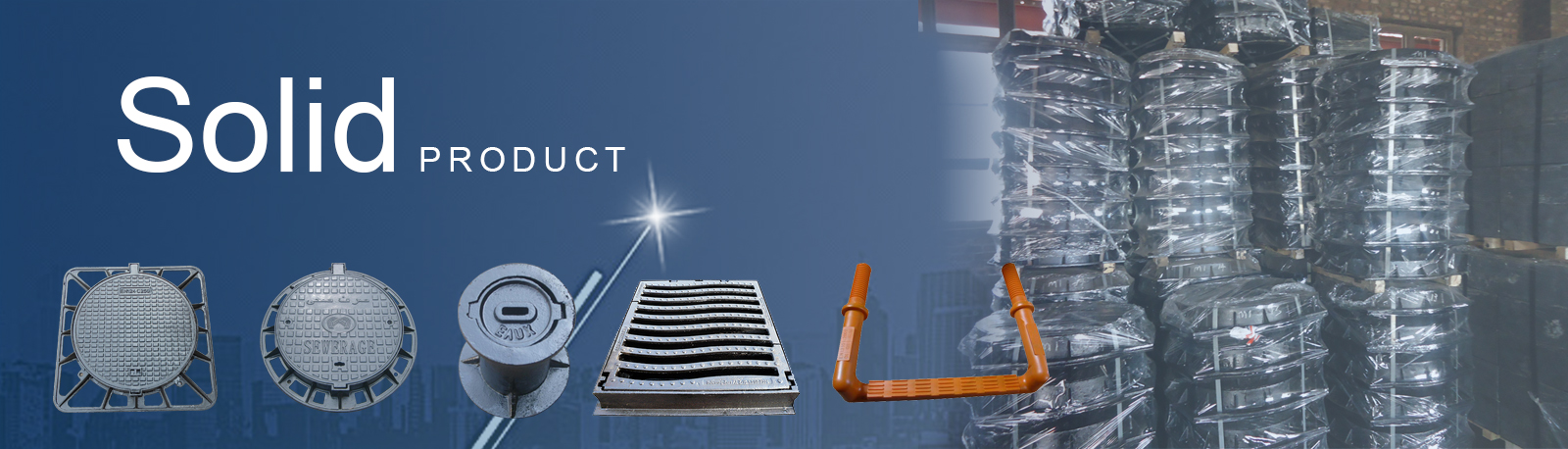
Surface boxes and valve chambers are two types of structures used in municipal pipe networks and industrial plants to protect underground valves, instruments, and other facilities. They differ significantly in structural form, functional positioning, and construction and maintenance.
I. Differences in Structural Form and Dimensions
Surface Box
It is a small-sized prefabricated ground box with a compact structure. Its overall height is usually 300–800 mm, and its diameter or side length is mostly 200–500 mm.
The main body is made of high-strength composite materials such as fiberglass reinforced plastic and engineering plastics, or stainless steel; some are precast concrete components. It generally consists of three parts: upper cover, box body, and base. The base is directly connected to the underground valve stem or instrument, and the upper cover is flush with or slightly higher than the ground.
It has no independent chamber space. The interior only accommodates valve operating mechanisms or instrument gauges, with no access for personnel to perform operations.
Valve Chamber
It is a large-scale underground structure with relatively large dimensions. Its inner diameter is usually ≥ 1000 mm, and its depth can reach 1–5 m depending on the valve installation position; the inner diameter of some large valve chambers even exceeds 2 m.
The main body is mostly a brick structure, a cast-in-place concrete structure, or a prefabricated concrete assembled structure. It includes components such as the chamber, shaft, well cover, and ladder (equipped in some deep wells). The chamber has sufficient internal space for personnel to go down and operate.
II. Differences in Functional Positioning
Surface Box
Its core functions are protection and convenient operation. It is mainly used for the ground-end protection of small underground valves such as household gas valves, household water meter valves, and small water supply and drainage valves, as well as instruments such as pressure gauges and flowmeter heads.
There is no need for personnel to go down a well. Users can directly operate the valve to open or close it or read instrument data simply by opening the upper cover. At the same time, it prevents the valve stem from being crushed, corroded, or clogged by foreign objects.
Valve Chamber
Its core functions are protection and facilitating personnel maintenance. It is mainly used for the overall protection of large valves in municipal trunk roads and industrial plants.
It can not only protect the valve body and connected pipelines but also provide a working space for operation and maintenance personnel to go down the well, meeting the needs of complex operations such as valve disassembly, maintenance, and replacement.
III. Differences in Construction and Maintenance
Construction Difficulty
Surface Box: Simple construction with no need for large-scale excavation. Only a small foundation pit needs to be excavated above the valve stem, then the box is placed and fixed, and backfilled to be flush with the ground. It has a short construction period and a low cost.
Valve Chamber: Complex construction. It requires excavating a large foundation pit, building or pouring the chamber, installing ladders and heavy-duty well covers; some also need waterproof and anti-settlement treatment. It has a long construction period and a high cost.
Maintenance Convenience
Surface Box: Easy to maintain. A single person can open the upper cover for operation. Daily inspections only need to check whether the cover is damaged and whether there is water accumulation, without requiring special tools.
Valve Chamber: Cumbersome to maintain. It requires multiple personnel to cooperate to open the heavy-duty well cover. Before going down the well, ventilation detection must be carried out to prevent the accumulation of toxic gases. Inspections need to check for chamber leakage, pipeline corrosion, valve status, etc., resulting in high maintenance costs.
IV. Summary
A surface box is a small, lightweight, and low-cost ground protection device, suitable for the quick operation of small branch valves. A valve chamber is a large, sturdy, and multi-functional underground structure, suitable for the complex maintenance of large main pipe valves. The two complement each other, jointly ensuring the safe operation of underground pipe network facilities.
|